 English

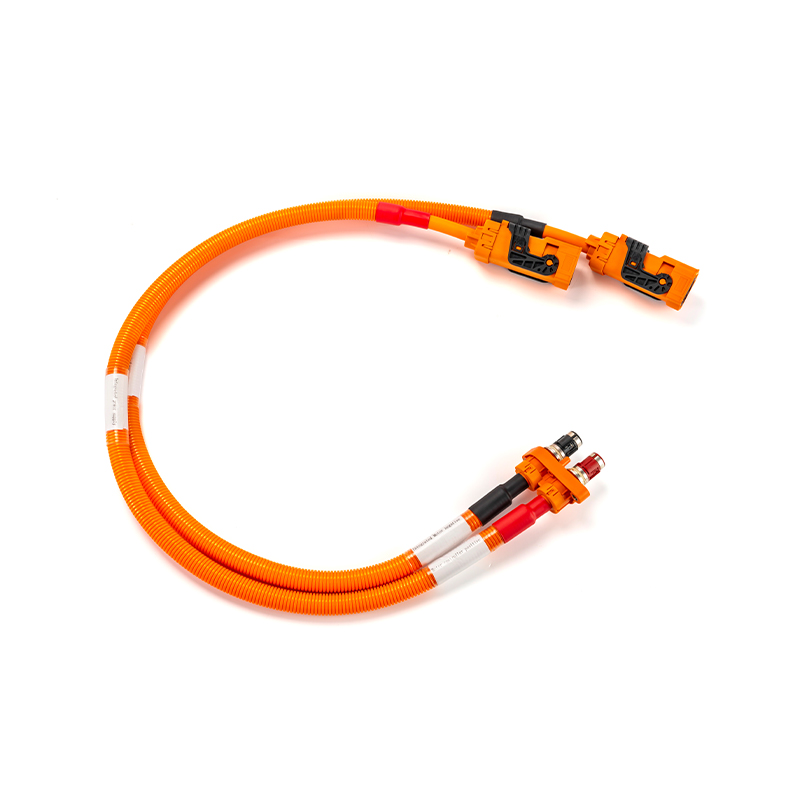
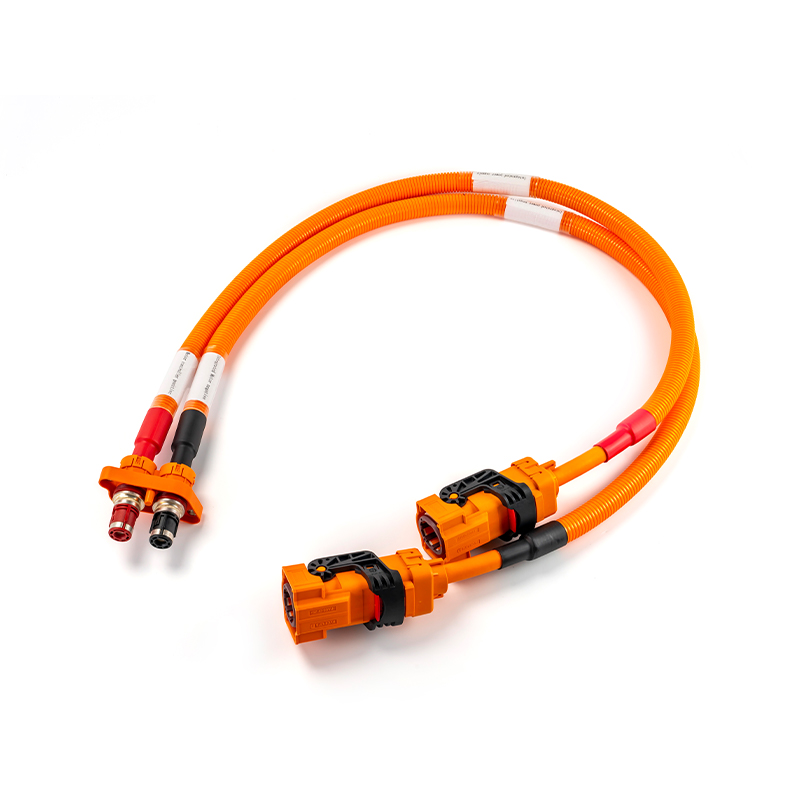
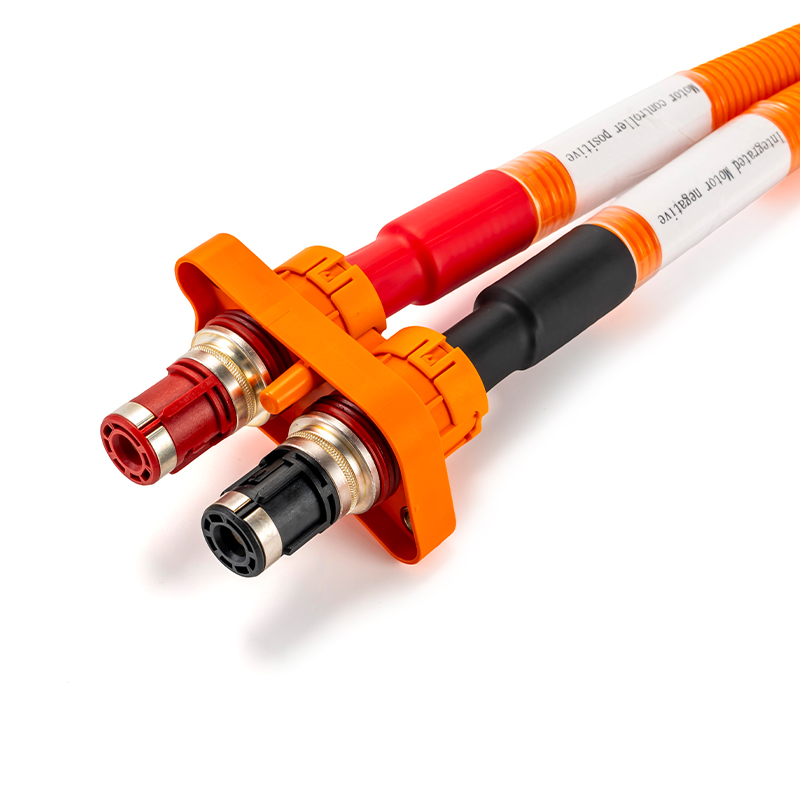
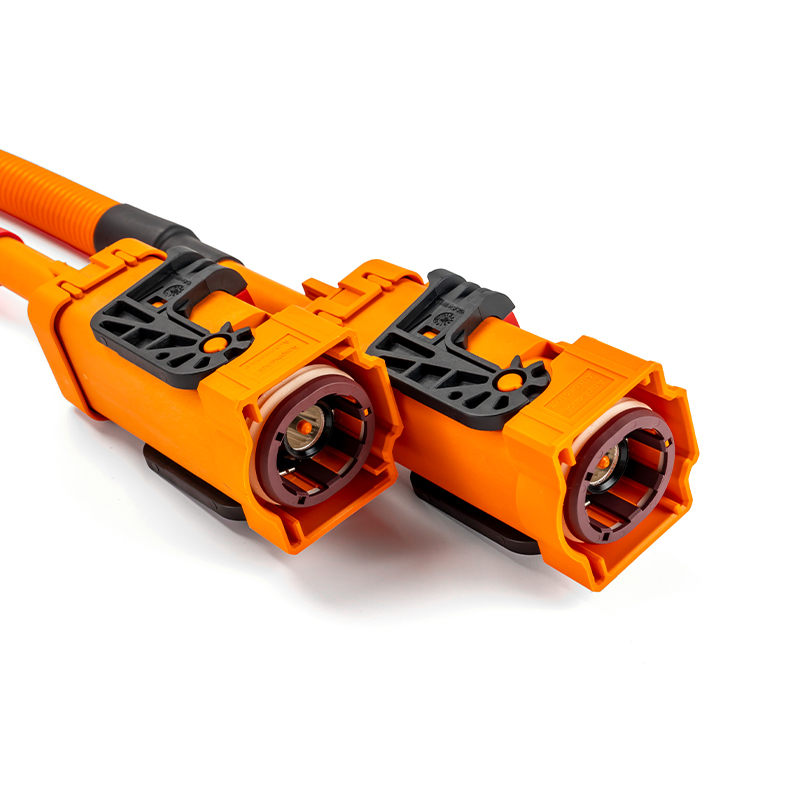
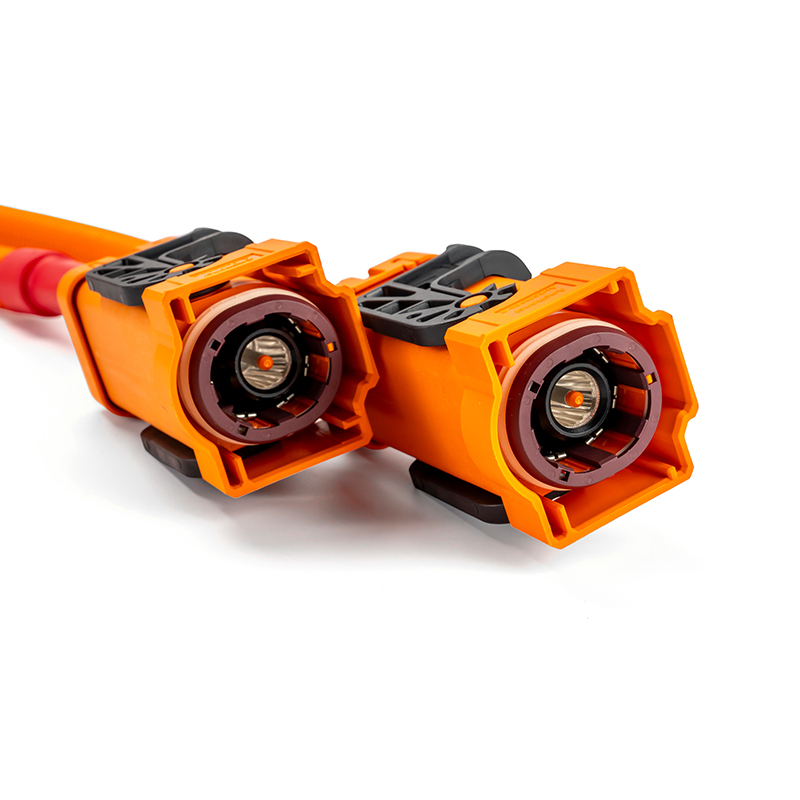
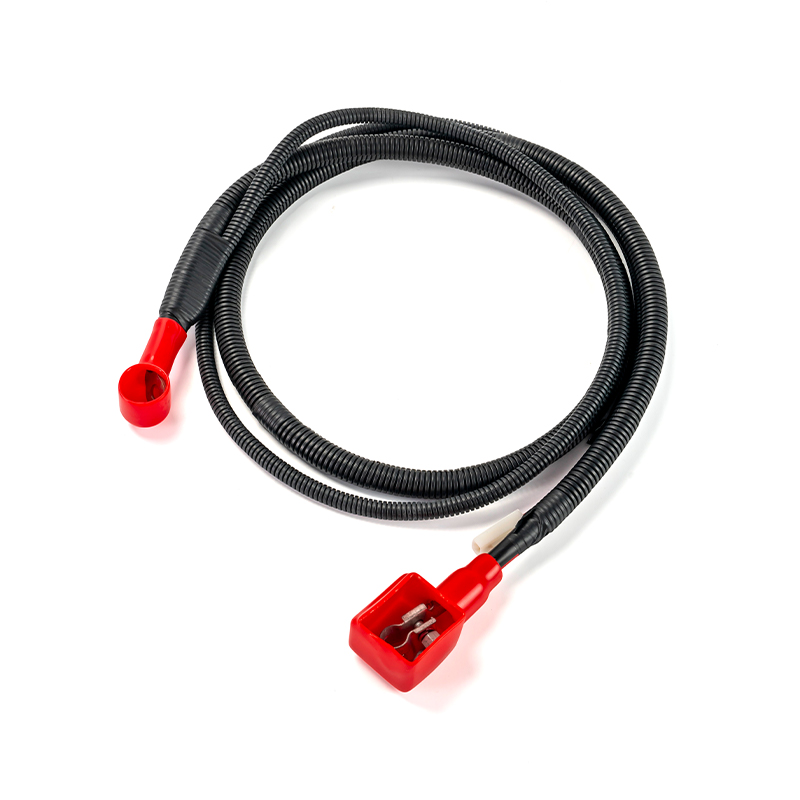
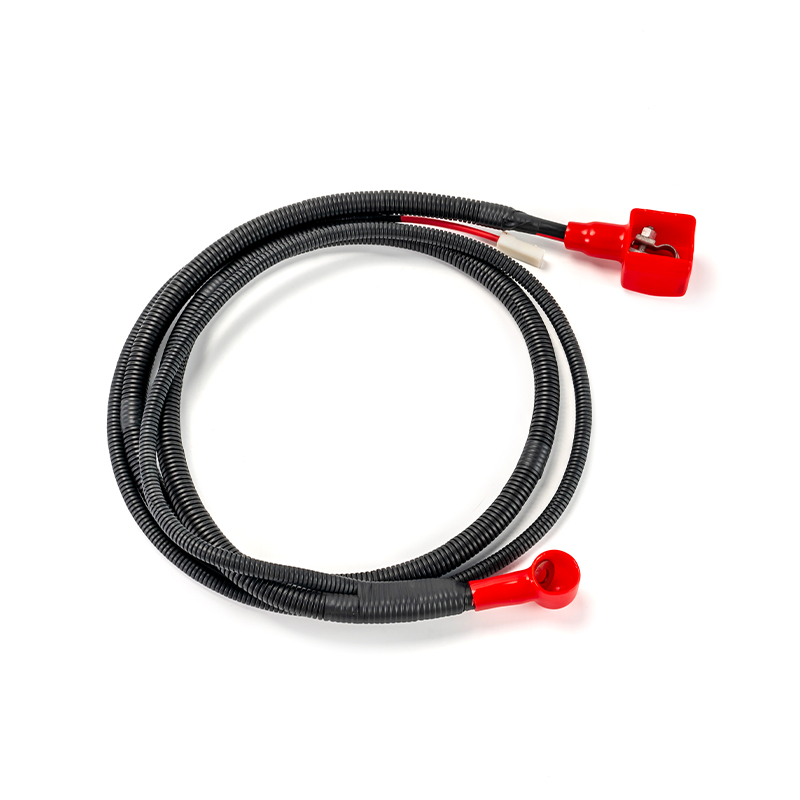
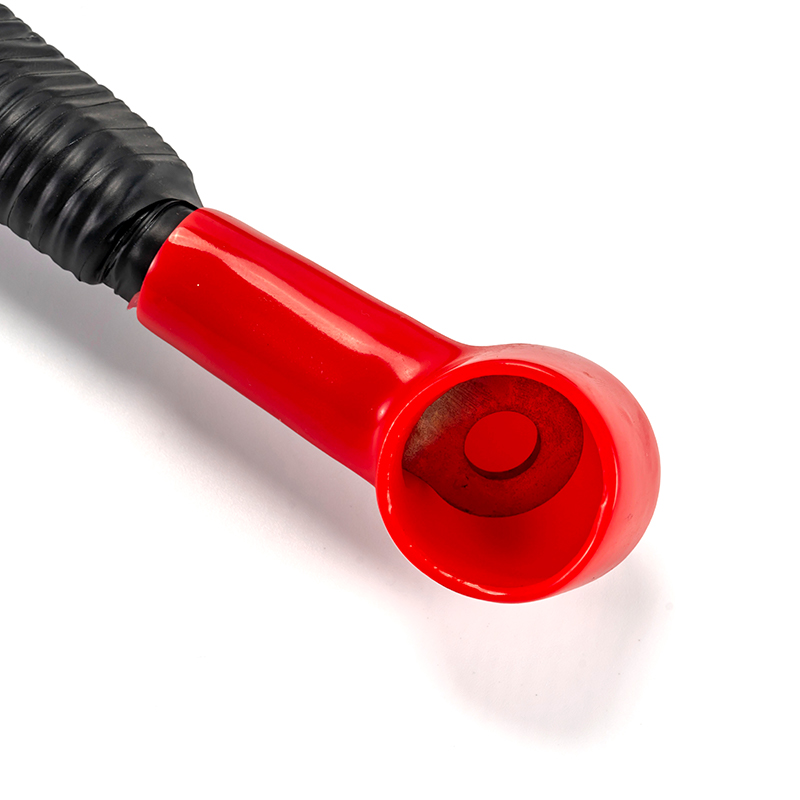
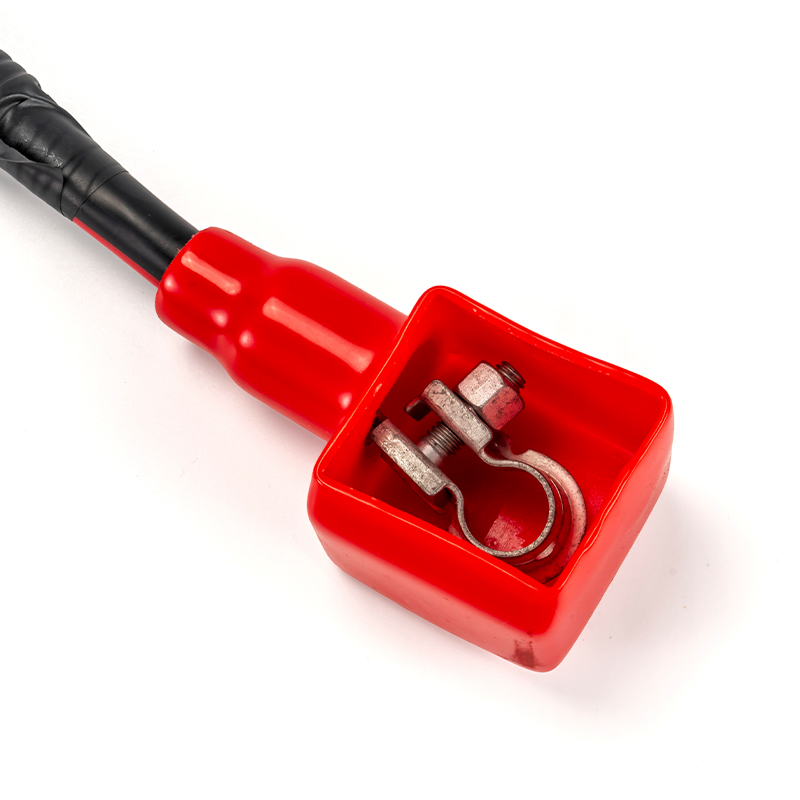
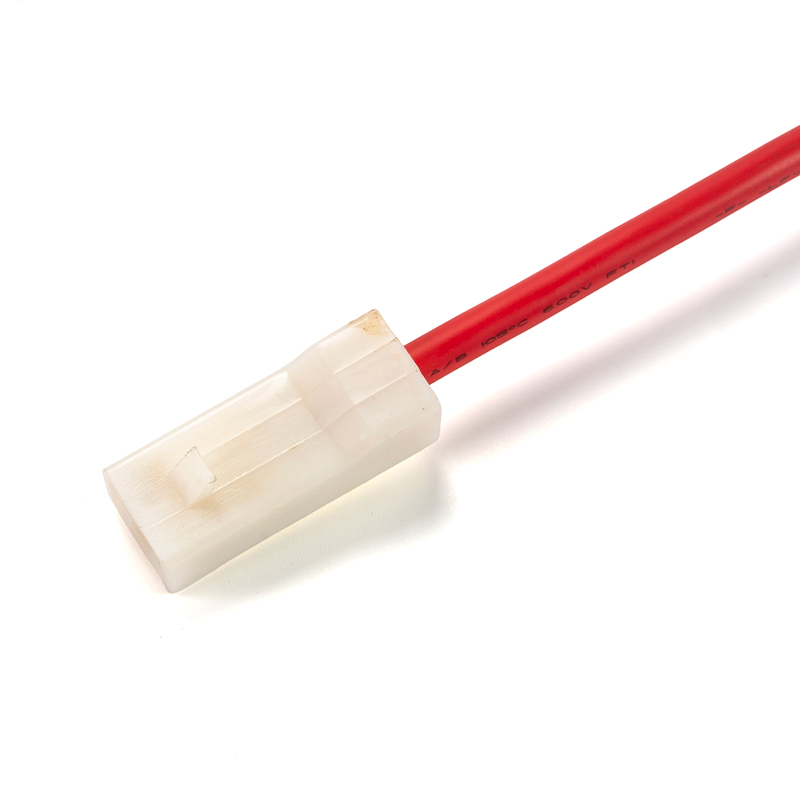
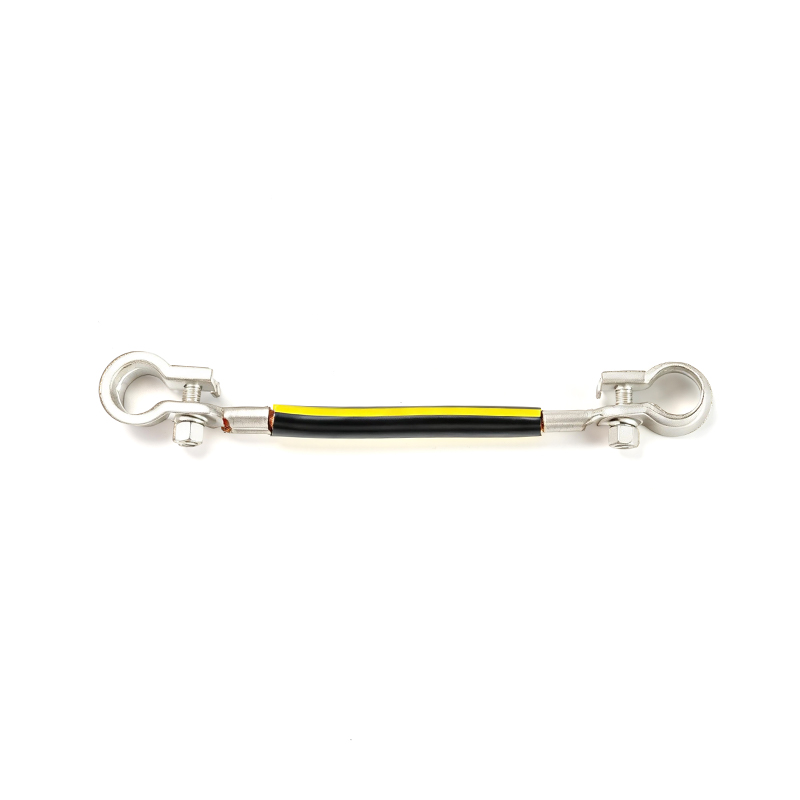
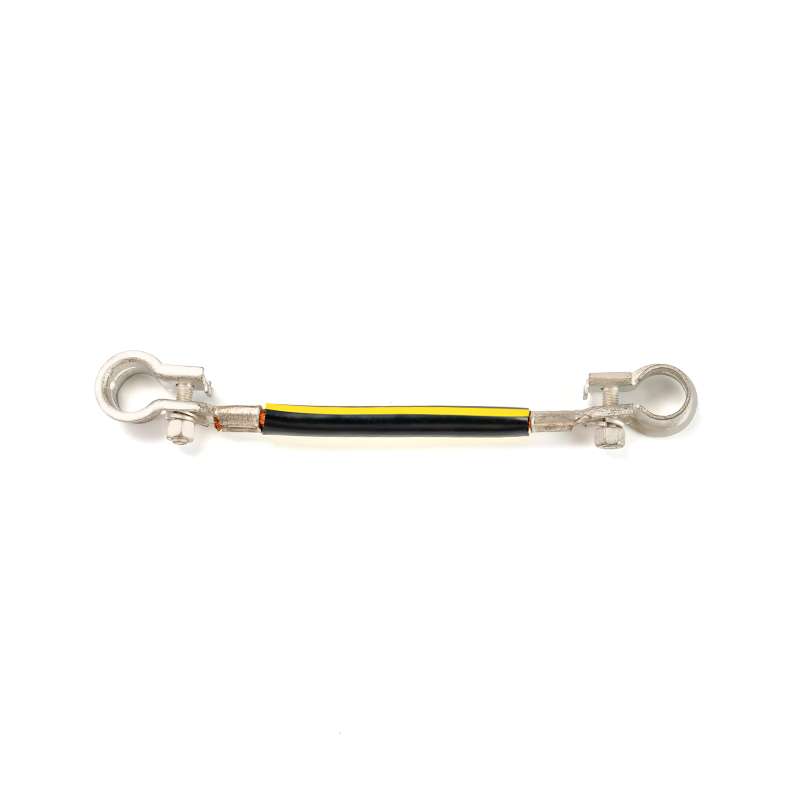
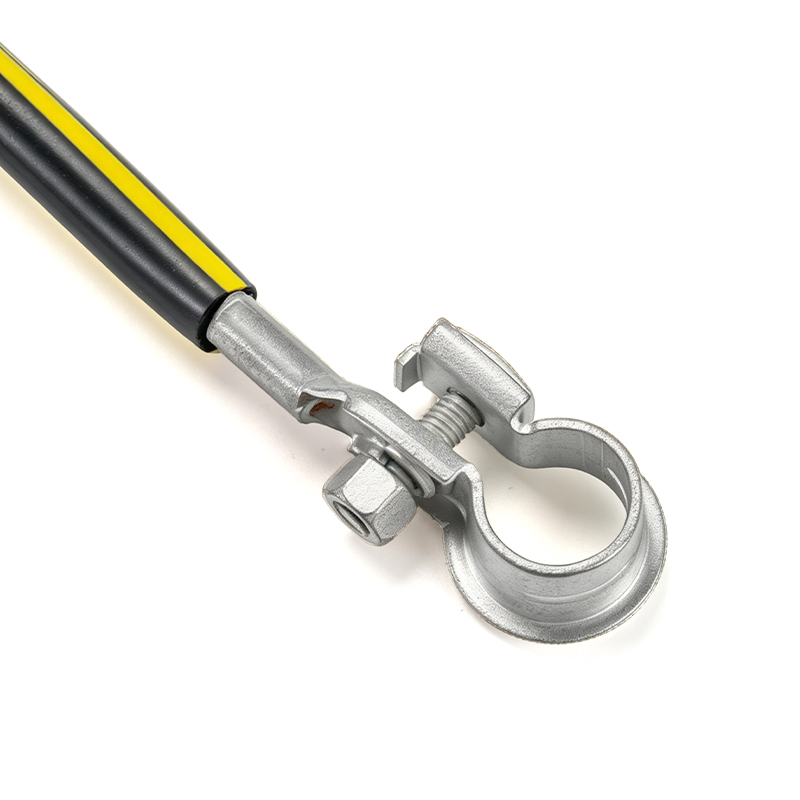
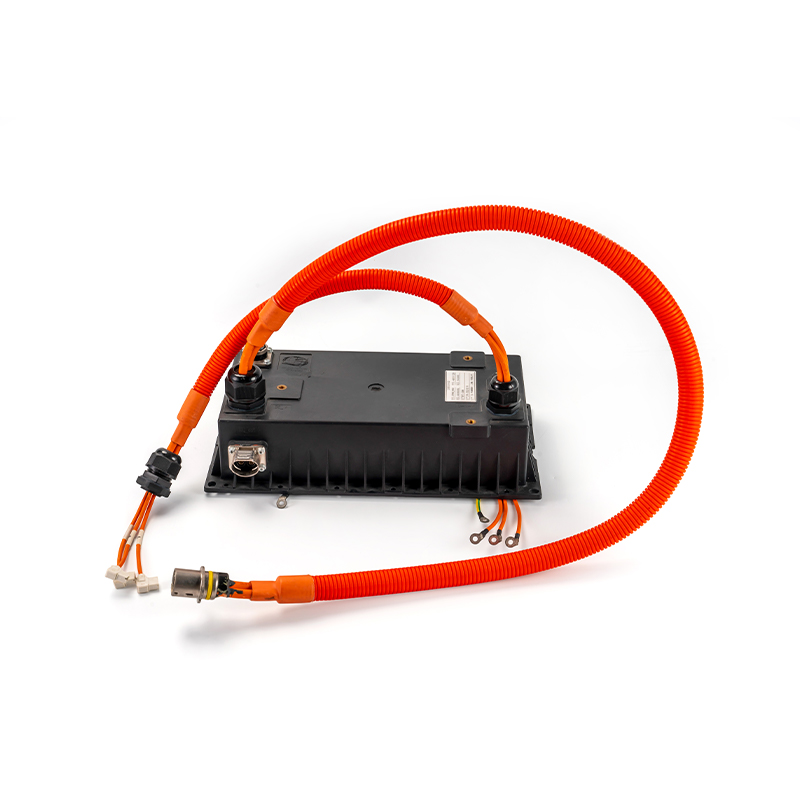
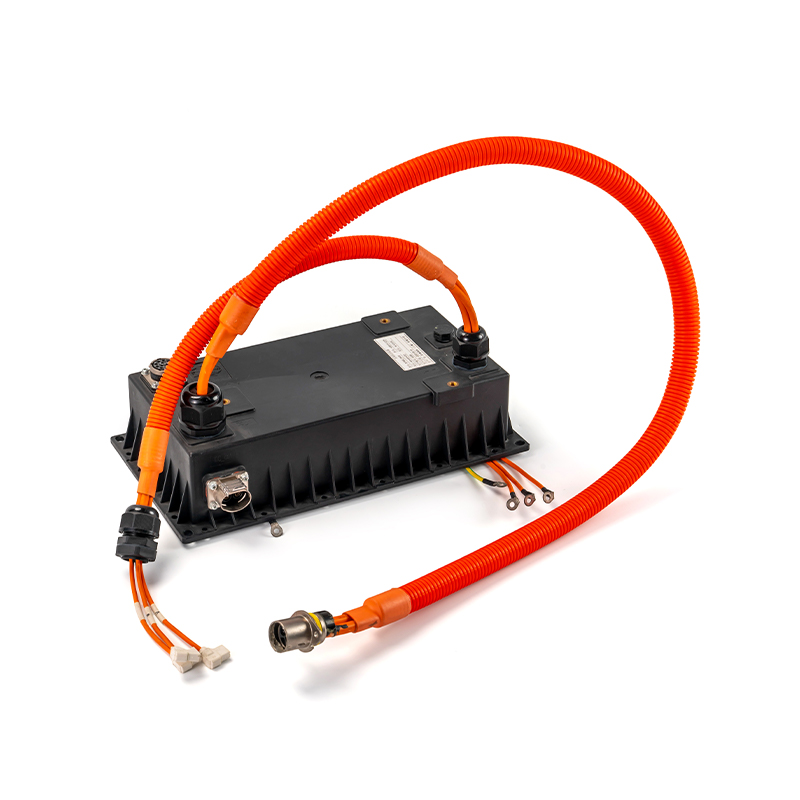
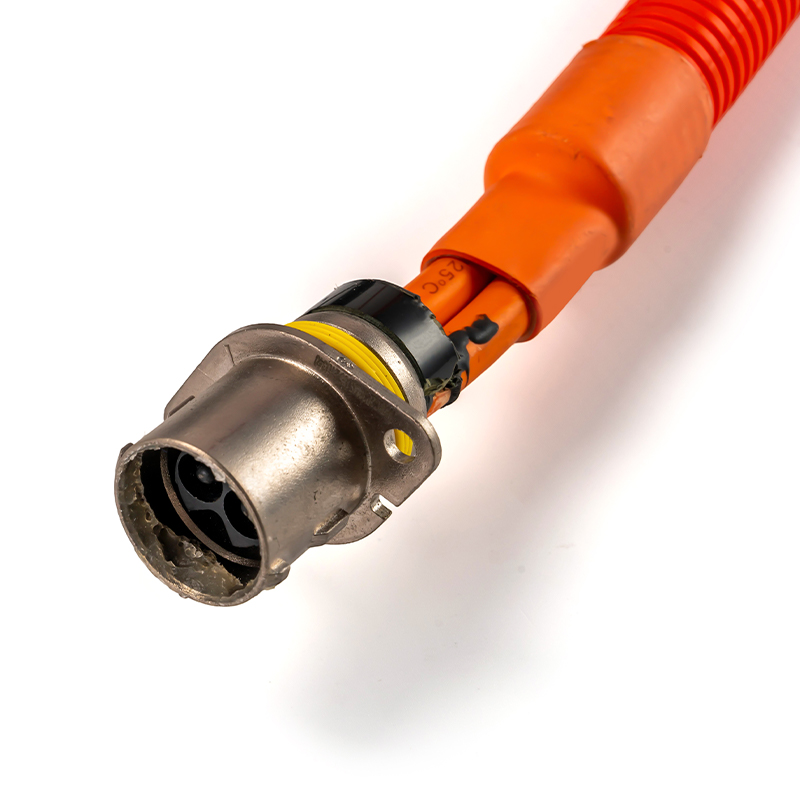
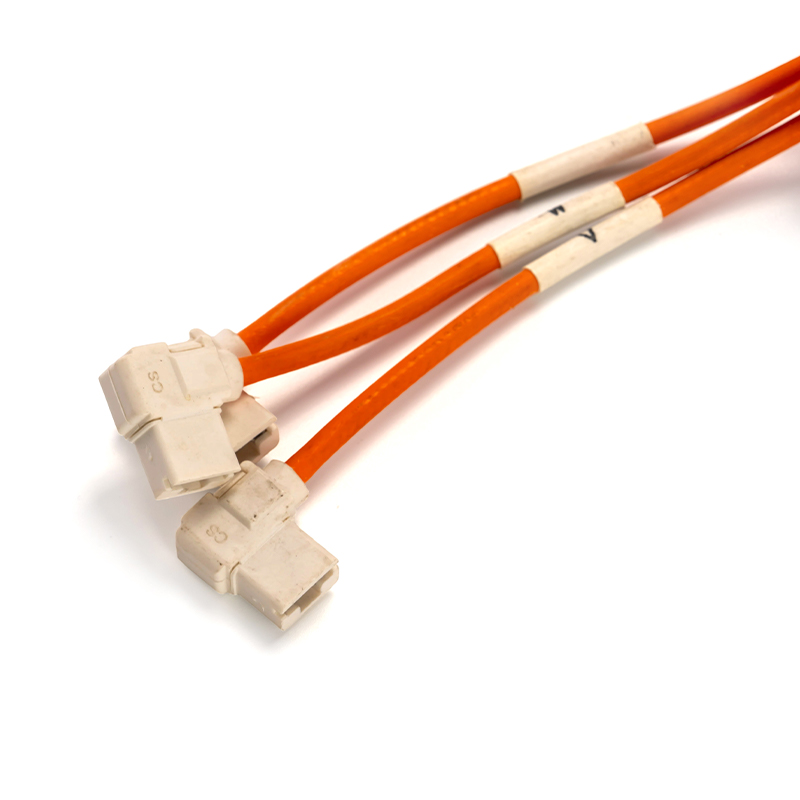
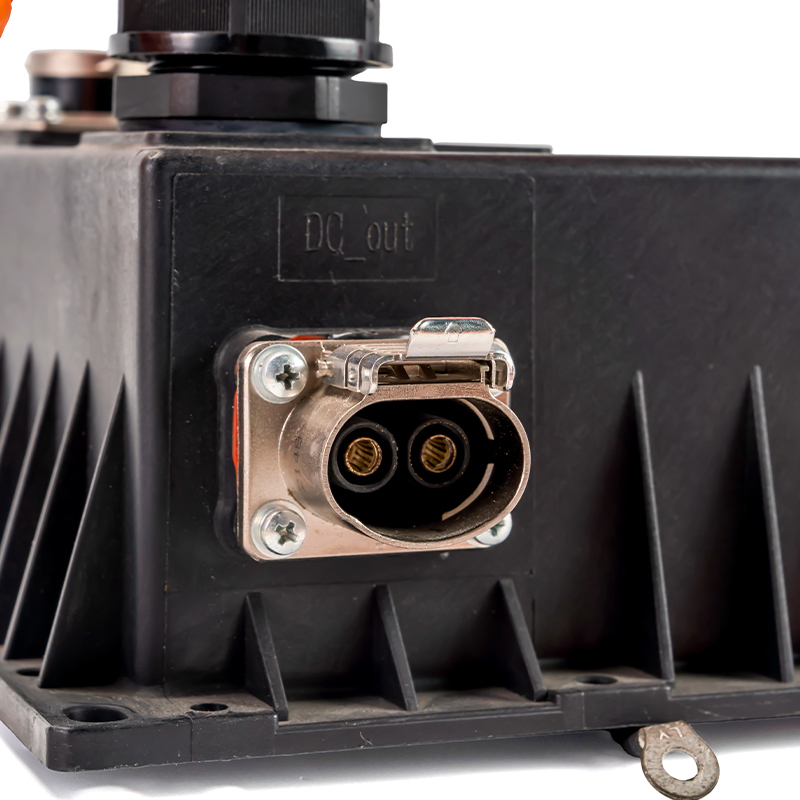
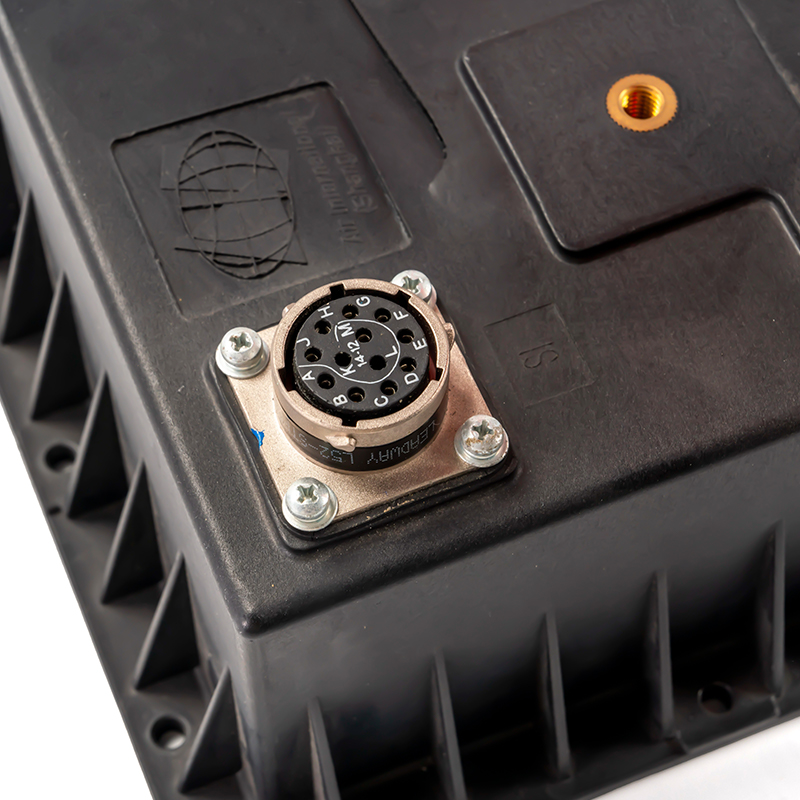
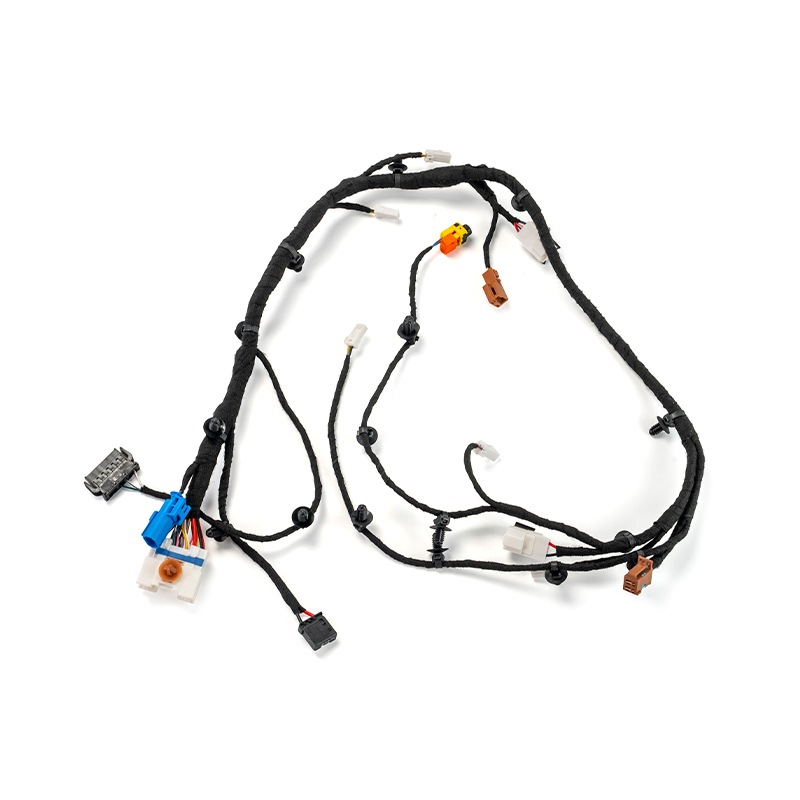
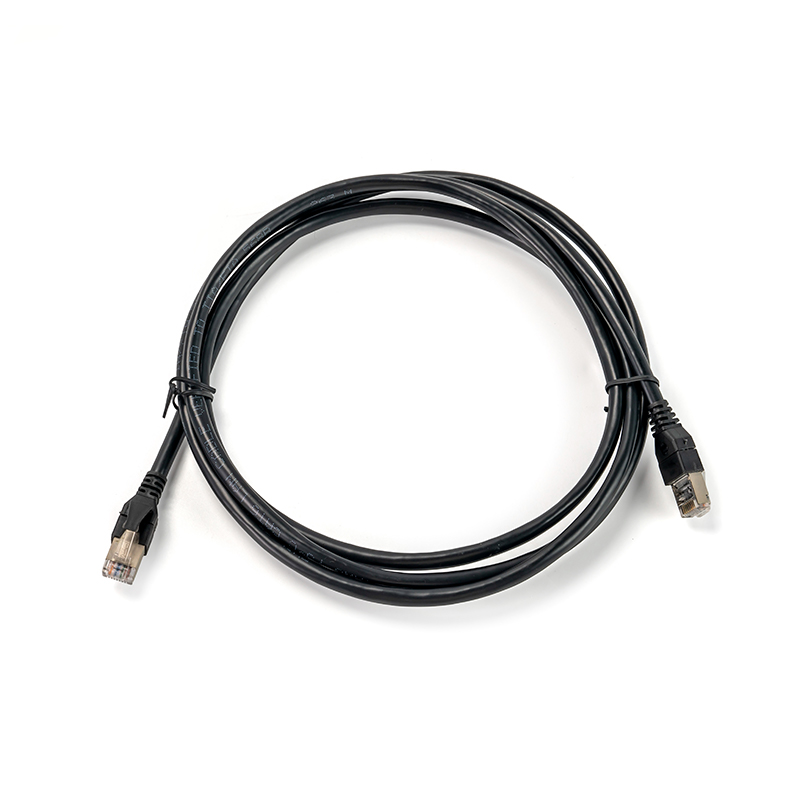
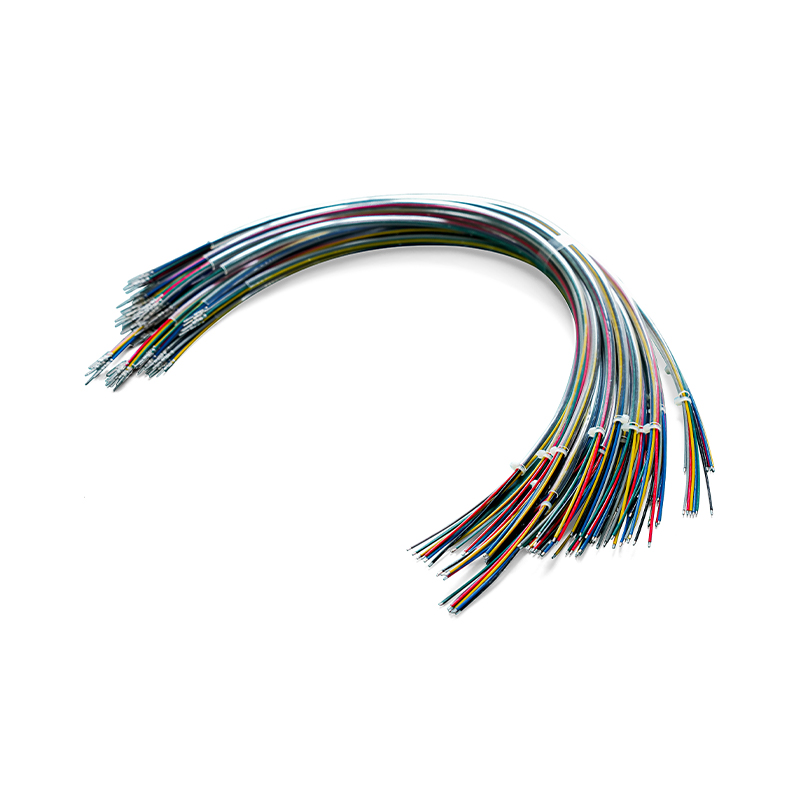
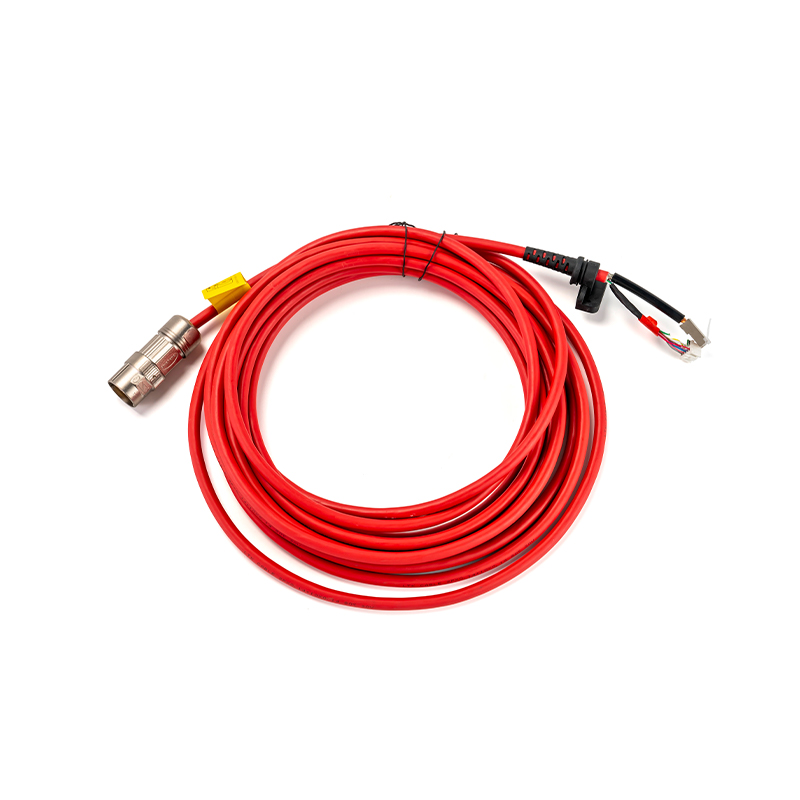
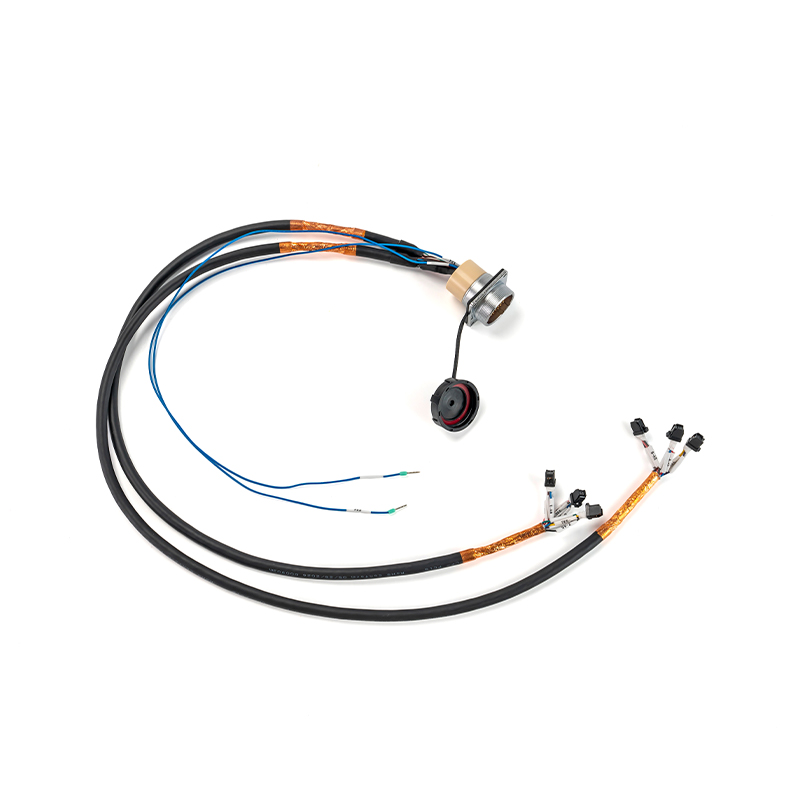
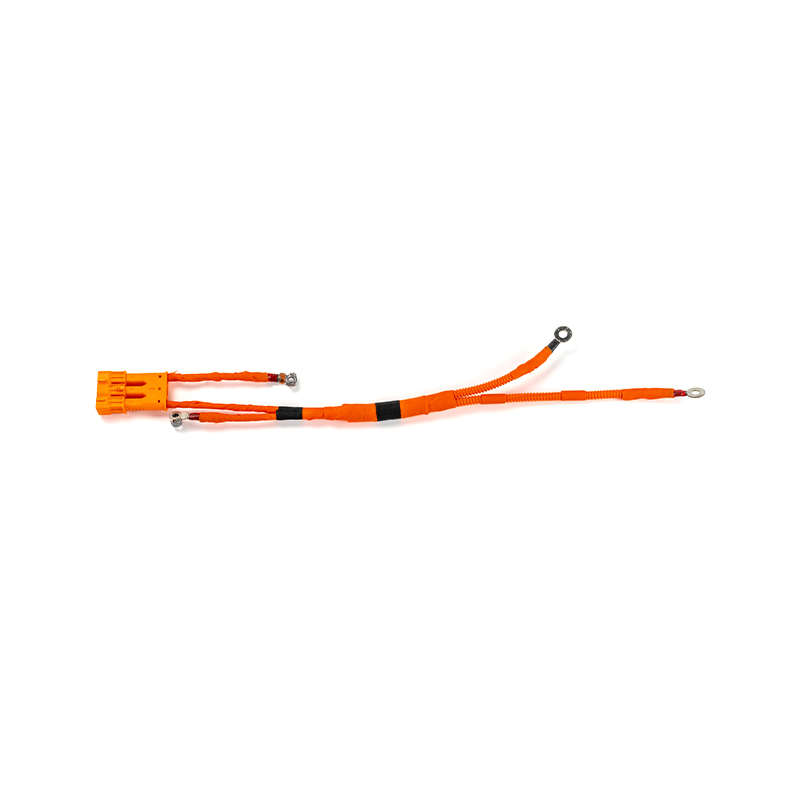
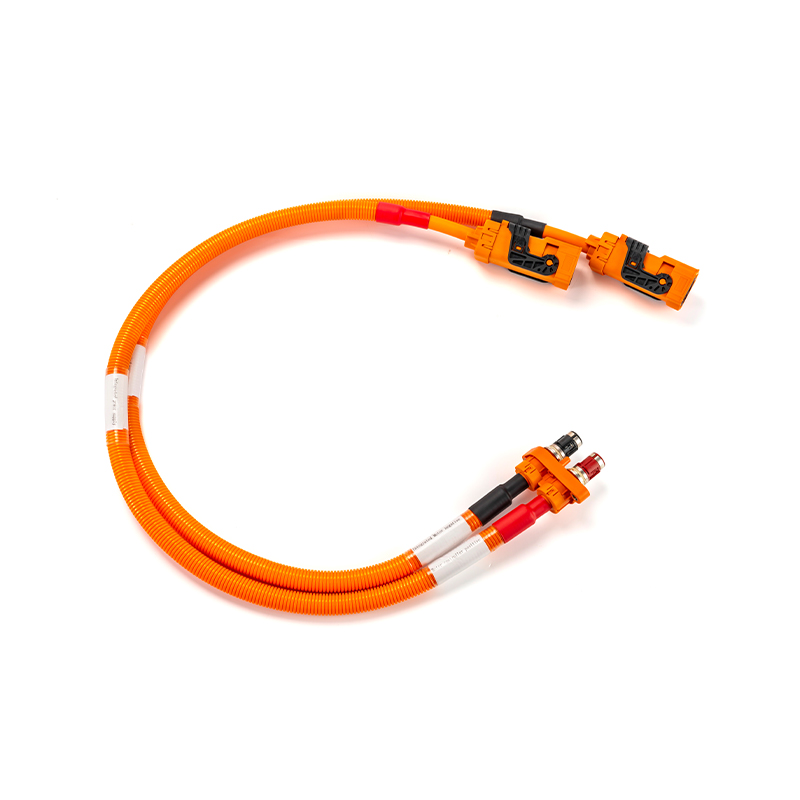
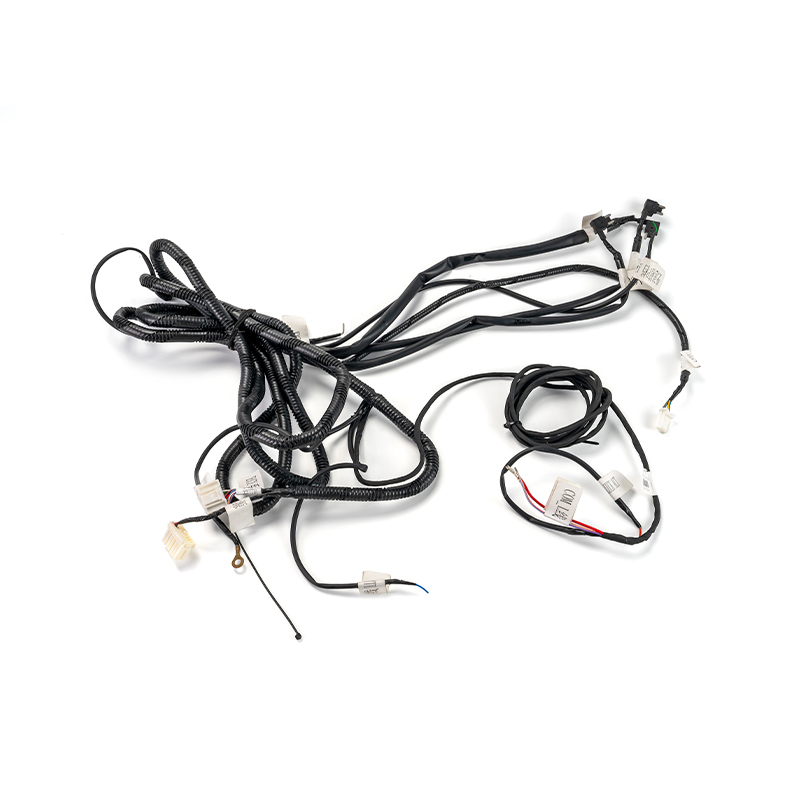
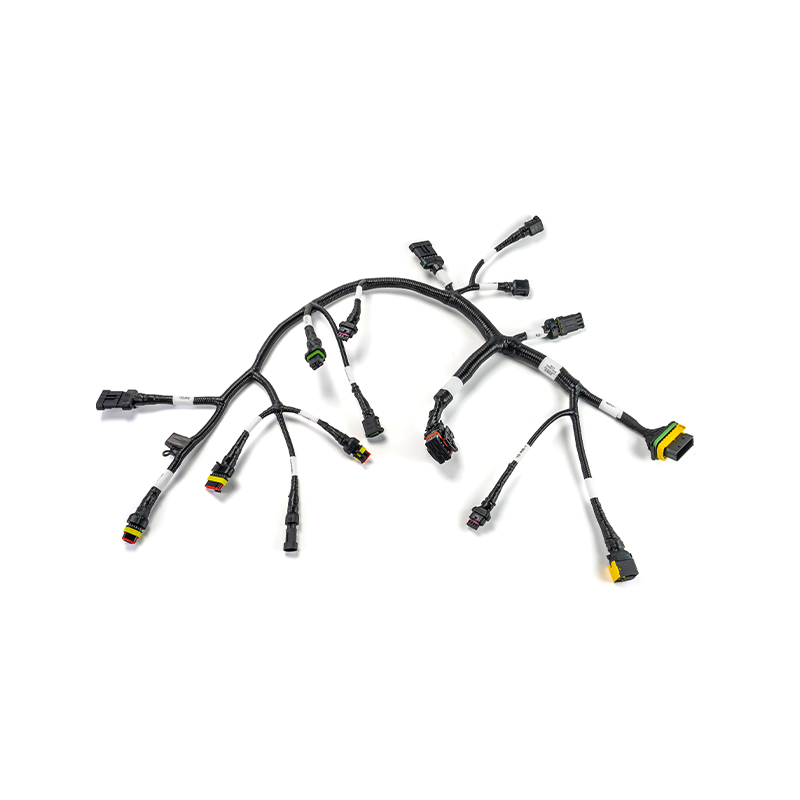
The vehicle high-voltage (hv) wire harness is a critical power transmission system engineered specifically for New Energy Vehicles (NEVs). It serves as the primary electrical backbone connecting core high-voltage components such as the traction battery, drive motor, motor controller, and onboard charger. Designed to handle high voltages and large currents, this integrated cabling system ensures reliable power delivery and safe signal transmission across the vehicle architecture. Operating at voltages of 600V and above, the harness strictly adheres to a dual-rail circuit design where the vehicle chassis is not used as a grounding point, ensuring maximum electrical safety and system stability.

Recommended Products
Factory Capability
Brend operates a 10,000+ m² wire harness manufacturing base in Changzhou, China, equipped with 13+ production lines and integrated ERP/MES production management. From material preparation to assembly, testing, labeling, packaging and final inspection, each production step is controlled to support stable quality and efficient delivery for automotive, energy storage, robotics, industrial control and telecom applications.

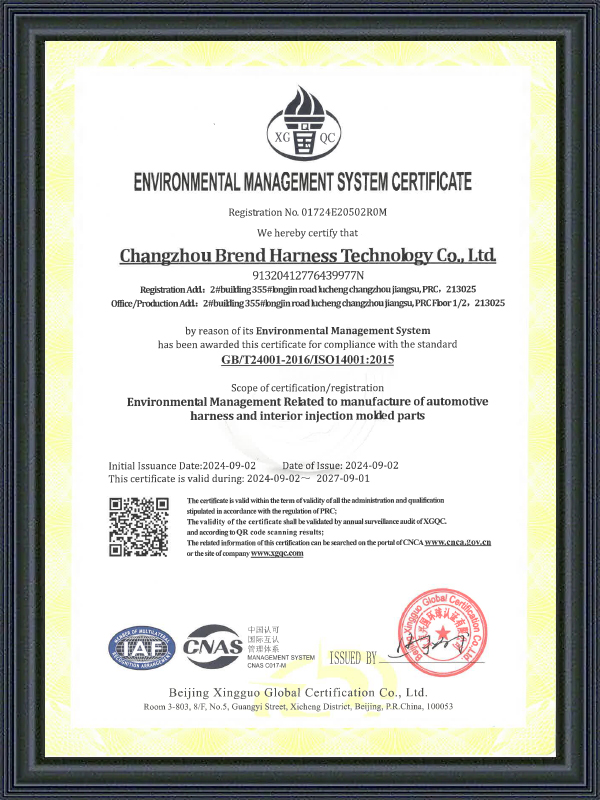
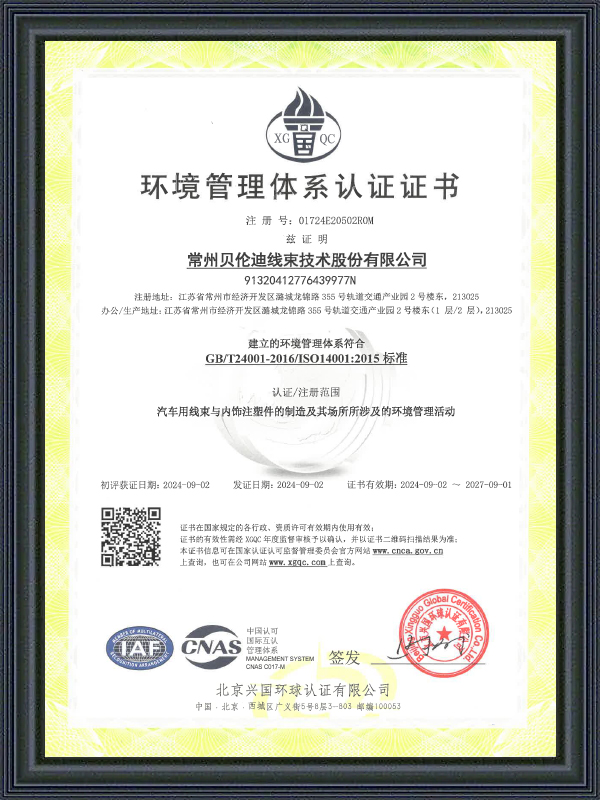
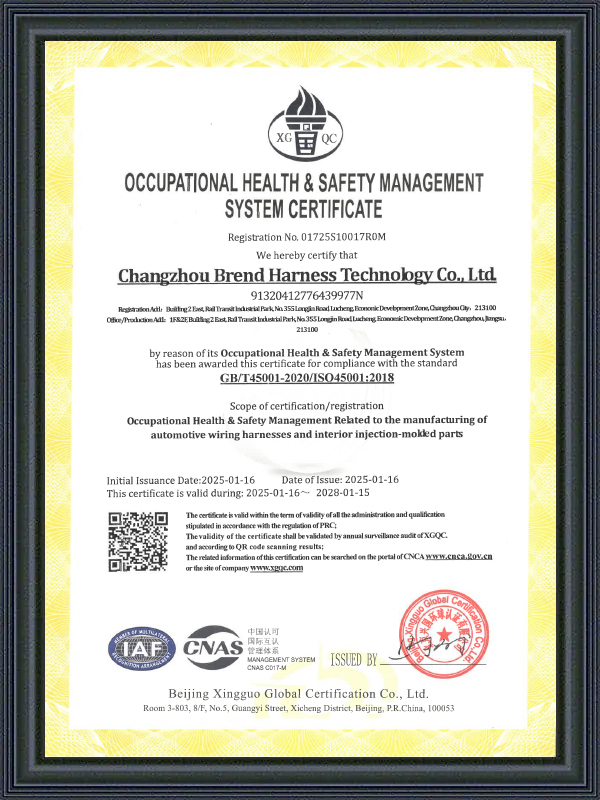
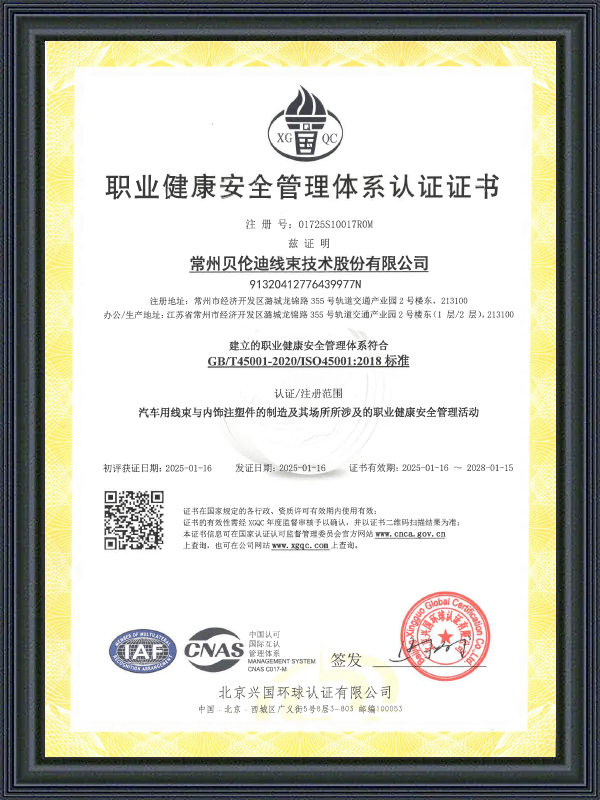
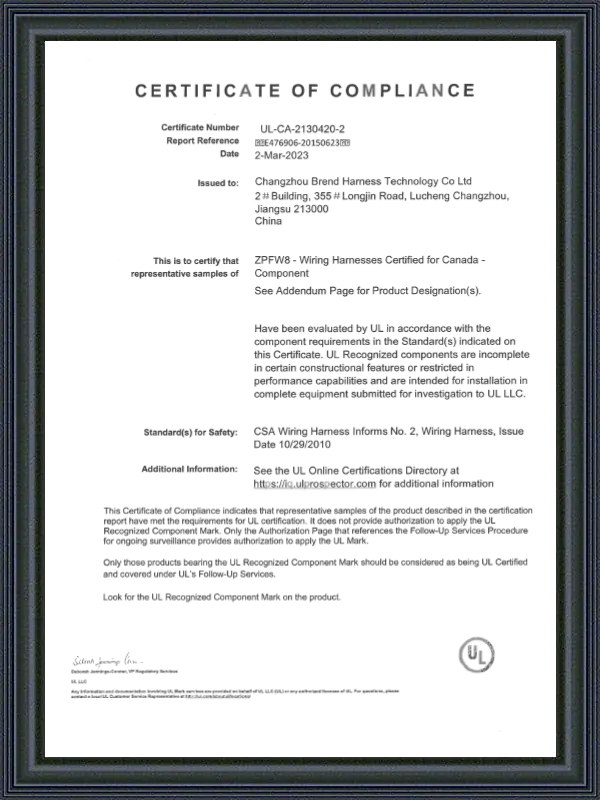
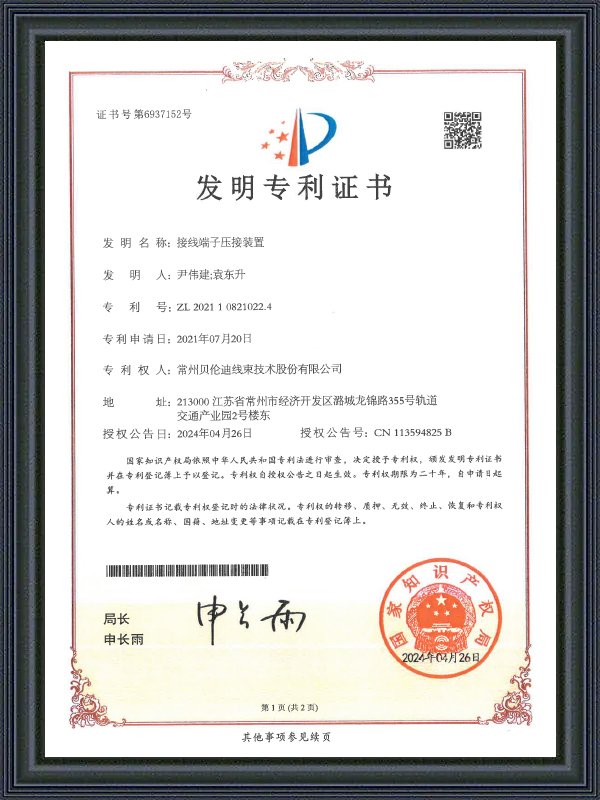
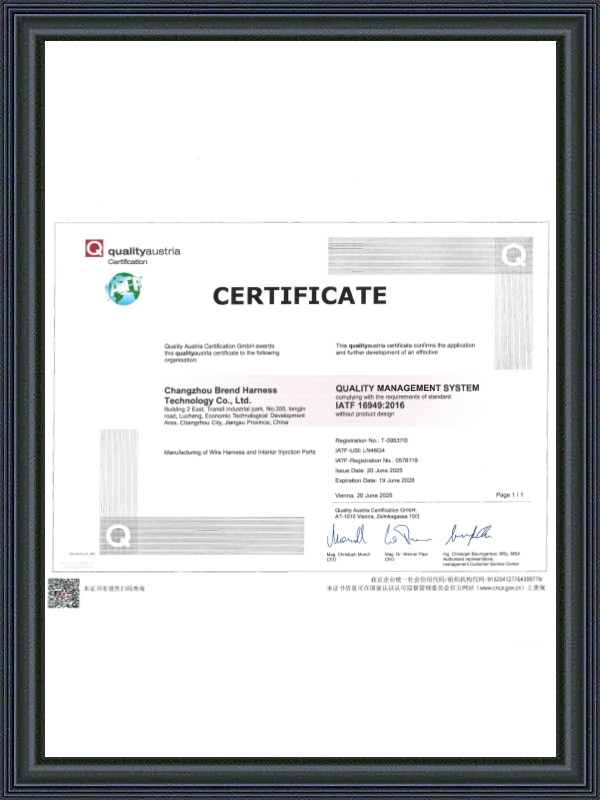
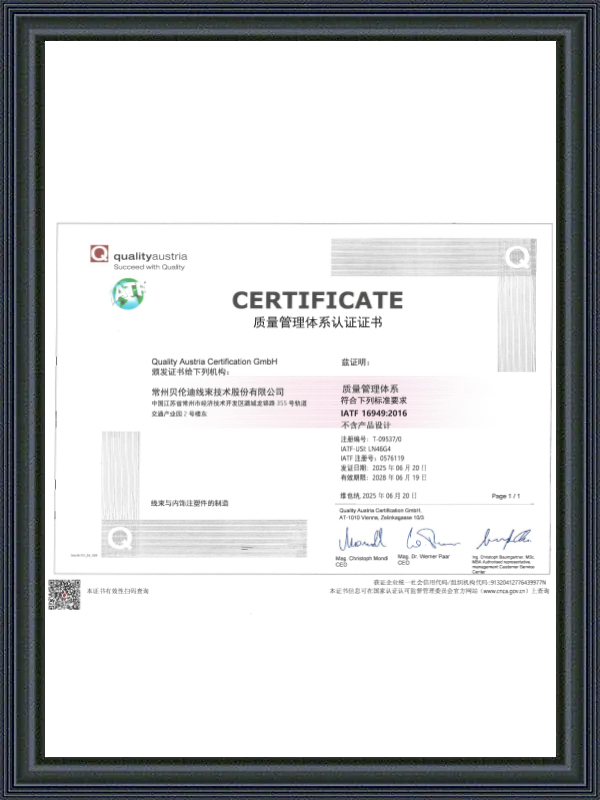
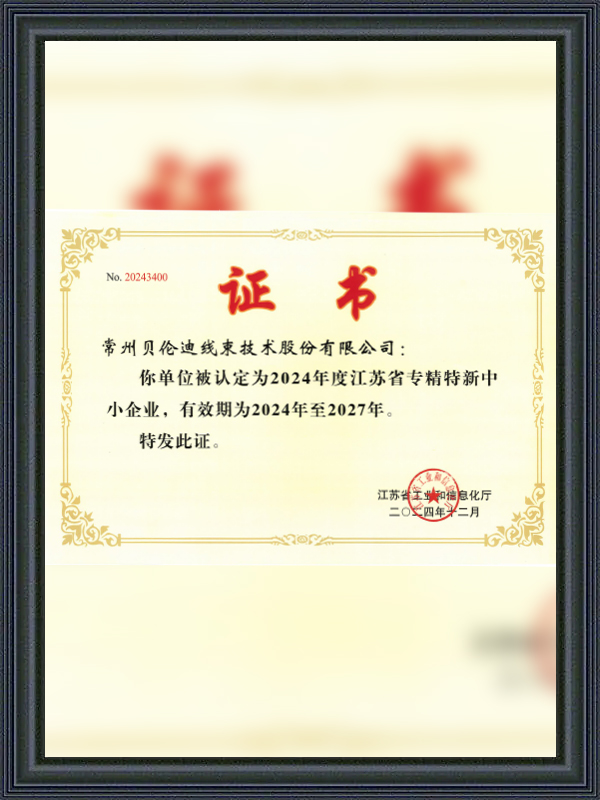
Certificate Of Honor
Latest Updates
-
Recently, the company has continued to refine its wiring harness product portfolio. It has now estab...
-
With the steady development of smart manufacturing and the new energy industry, the market applicati...
-
To better meet the equipment upgrade needs across various industries, the company continuously optim...

Brend is a professional wire harness manufacturer based in Changzhou, China. We provide custom wire harness solutions for automotive, energy storage, robotics, industrial control, agricultural machinery, construction equipment and telecom applications.
Contact Us
-

wj.yin@brend.cn
-

+86-0519-88386391
+86-18605191210 -

Rail Transit Industrial Park, 355 Longjin Road, Lucheng, Changzhou Economic Development Zone, China
Copyright © 2026 by Changzhou Brend Harness Technology Co.,Ltd. Rights Reserved.

changzhoubrend